A new report from the U.S. government shows how prices changed in January this year. It uses a measure called the Consumer Price Index (CPI). This index is a way to track how much money people need to pay for a typical basket of goods and services. The goal is to see how fast prices are rising, which is called inflation.
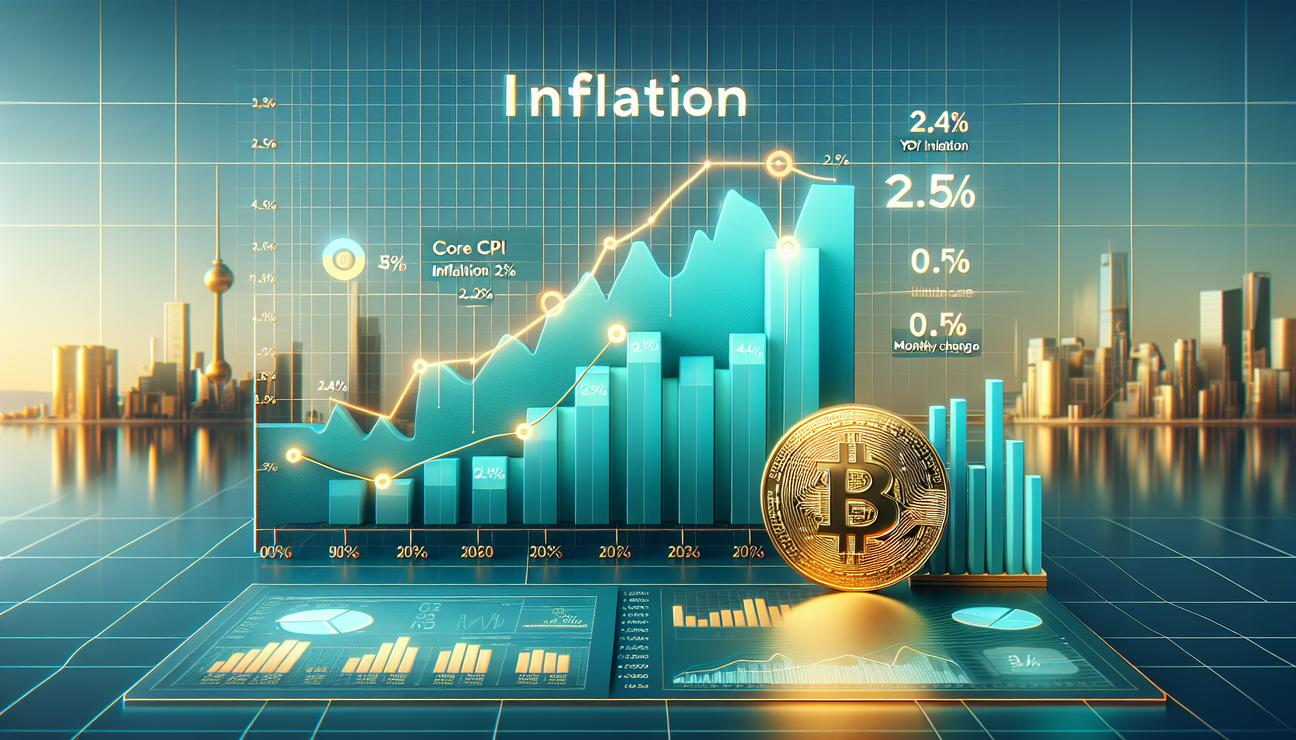
In January 2026, inflation cooled. The CPI rose by 2.4 percent compared to January 2025. This means prices overall were 2.4 percent higher than they were a year earlier, which is a bit slower than what many economists expected. The forecast, based on a lot of different opinions from experts, was 2.5 percent. So the year-over-year inflation rate was slightly better than expected.
Another part of the report is called Core CPI. This is a version of the CPI that removes prices that can swing a lot from month to month, like food and energy. Core CPI rose by 2.5 percent, which matches what forecasters had predicted. In other words, even after removing the big, often unpredictable price moves in food and energy, inflation still sits around 2.5 percent for the year.
When we look at how prices changed from one month to the next, the CPI increased by only 0.2 percent in January. This is notable because it is the smallest monthly rise since last May. A slower monthly rise means the cost of living did not jump as much in a single month, which can be a sign that inflation is cooling overall.
Heather Long, who is the chief economist at Navy Federal Credit Union, pointed out several specific price movements that helped bring down the annual inflation rate. She noted that gasoline prices dropped in January. Used car prices also went down, and medical care costs fell as well. All of these lower prices helped pull the overall inflation number lower.
At the same time, Long said that some prices did go up. Utilities (things like electricity and natural gas) and transportation costs rose. When some things go up while others go down, the overall inflation number can still improve if the declines in the big areas are strong enough to offset smaller rises elsewhere. Long added that this good news could have one more effect if tariffs, which are duties collected on imports, add another bump in prices in the future. In her view, tariffs could push prices up again a bit.
To help people see what these numbers mean in a real way, the report summarized: inflation cooled to 2.4 percent for the year in January, which is the lowest level since last May. The monthly increase was only 0.2 percent, which is a small, steady rise in prices for one month.
There is also a lot of interest in how financial markets react to this kind of news. In particular, Bitcoin, the most famous cryptocurrency, often moves when CPI data is released. In the minutes after the CPI news came out, Bitcoin’s price moved up a bit. It rose to around $67,600 for a short time, but then it corrected and traded around $67,200 at the time of reporting. People watching Bitcoin usually expect bigger moves if the inflation data leads the U.S. central bank to change its policy.
Why does all this matter? It matters because inflation and the central bank’s policy decisions go hand in hand. The U.S. Federal Reserve, which controls short-term interest rates, watches inflation very closely. When inflation is high, the Fed might raise rates to slow spending and price increases. When inflation slows, the Fed could decide to cut rates or “lower” rates, which makes borrowing cheaper and can stimulate economic activity. The phrase “interest rate reduction” means the Fed lowers its policy rate. People often watch this because it can affect everything from loan costs to stock prices and even the price of Bitcoin, which is a digital asset many investors trade alongside traditional stocks and bonds.
So what does this CPI data tell us right now? It suggests that price growth is easing a bit, which can be a sign of healthy progress for people who worry about paying more each month for groceries, gas, and other essentials. It also means the Federal Reserve may consider slower or smaller steps in raising or lowering rates in the near future, depending on what the next data shows. If inflation continues to cool, the Fed might opt for slower changes or even start to reduce rates to support spending and investment. If inflation stubbornly stays higher, the Fed could hold rates steady or move more cautiously.
For readers who are new to these ideas, here are simple explanations of the key terms involved. These definitions come from well-known sources and are linked to for a deeper look:
- Consumer price index: A statistical estimate of the average price level of a basket of goods and services purchased by households; used to measure inflation and usually published monthly.
- Core CPI: A measure of the CPI that excludes volatile food and energy prices, used to assess underlying inflation trends.
- Inflation: A sustained increase in the general price level of goods and services in an economy, reducing the purchasing power of money.
- Federal Reserve: The central banking system of the United States, responsible for monetary policy, regulation of banks, and financial stability.
- Tariff: A tax or duty imposed by a government on imports or exports of goods, used to regulate trade or to raise revenue.
Note: The original report that this summary is based on was published by CryptoPotato with the headline “US CPI Data for January Shows Cooling Inflation: How Will Bitcoin’s Price React?” You can read the full article there for more details about how Bitcoin might react to CPI data. The link to that story is provided with the original post from CryptoPotato.
In short, January’s inflation numbers show a cautious sign of relief for people and markets. If this trend continues, it could influence how the Fed thinks about rate decisions, which in turn can affect borrowing, mortgages, and investment. It is a good reminder that inflation is a complex mix of many different prices moving up or down at different times, and that public policy and market responses often follow these changes in important ways.