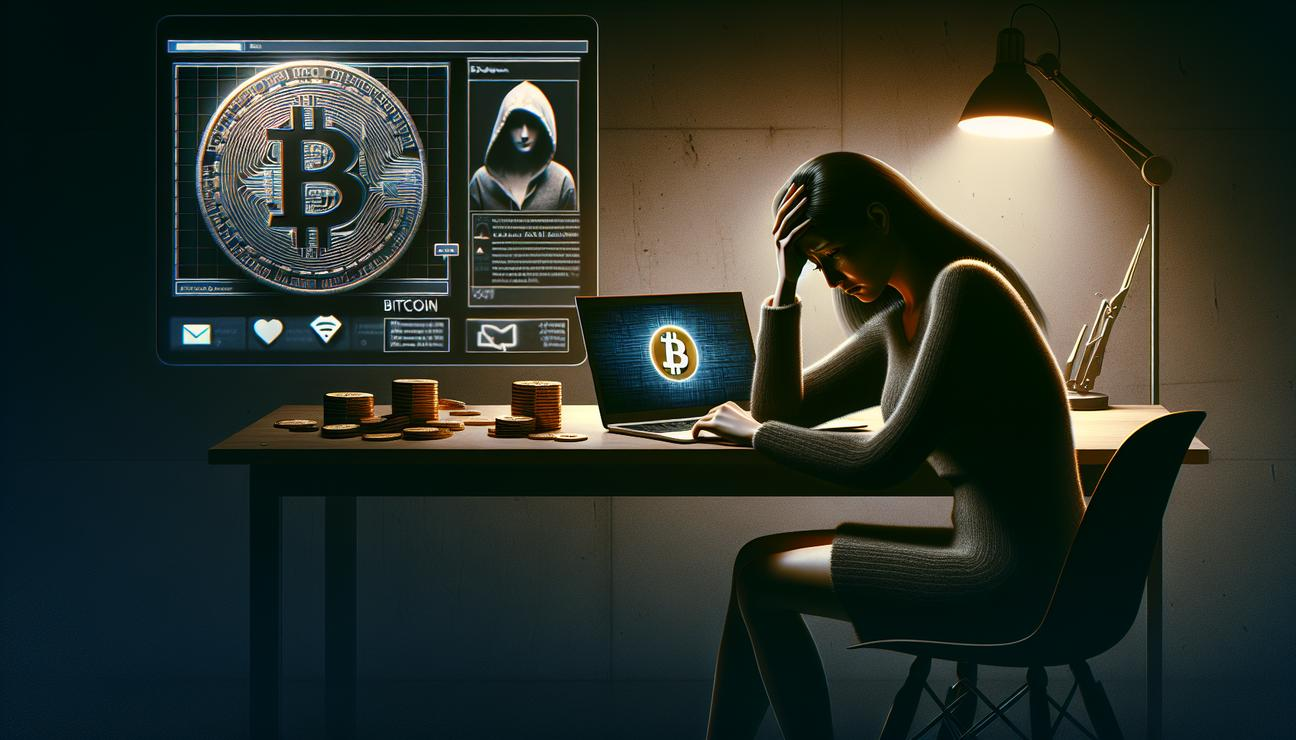
Terence Michael, a Bitcoin advisor and author at The Bitcoin Adviser, has warned the crypto community about a tricky scam called the ‘pig-butchering scam’. This scam caused one of his clients to lose all their Bitcoin savings. Social engineering frauds, which use tricks to manipulate people, are becoming a serious problem in the crypto world.
Even having a secure multi-signature wallet couldn’t stop this scam. A multi-signature wallet requires multiple approvals to send funds, but it wasn’t enough to protect the victim from falling for the scam.
How the Scam Happened
The client was not very wealthy. After years of saving, they finally collected 1 Bitcoin (BTC). For safety, they moved their Bitcoin from Coinbase, a large cryptocurrency exchange, to a special multi-signature wallet set up with The Bitcoin Adviser and another company called Unchained. This setup was created to keep the Bitcoin safe and handle inheritance matters.
But the loss didn’t happen because of a hacking issue or a problem with the wallet system. Instead, it was caused by psychological manipulation. This is called social engineering fraud. A scammer pretending to be a trader contacted the victim. The scammer promised to help grow the Bitcoin investment and even built a fake romantic relationship with the victim. The scammer made the victim, a divorced father, believe they were in love and would spend the holidays together.
Terence Michael recognized it as a typical pig-butchering scam, where fraudsters take time to gain the trust of their victims before stealing money. Michael and others tried to stop the client from sending the Bitcoin. They made phone calls, sent many warnings, and shared articles about similar scams. But the victim was convinced that the offer was real and decided to trust the scammer.
Although the multi-signature wallet slowed down the process by requiring delays and extra confirmations, it couldn’t prevent the transfer entirely. Advisors even encouraged the victim to move the funds to a personal wallet first, hoping the delay would give them time to rethink. Sadly, the scammer’s grip was too strong.
The result was heartbreaking. The stolen Bitcoin was the client’s major financial asset, meant to provide long-term security for his young daughter. This case showed the limits of technology: even the best security tools can’t fully protect people from scams based on emotional trickery.
Michael summed up the lesson: “Bitcoin doesn’t magically double, especially not because of someone online pretending to love you.”
Global Rise in Romance Scams
Romance scams like this are not just happening in one place. Last year, Nigerian authorities arrested 792 people involved in crypto-related romance scams. The Economic and Financial Crimes Commission (EFCC), a government agency in charge of stopping financial crimes in Nigeria, found that these criminals worked in organized groups. They trained recruits to act as foreign women online and trick victims into fake crypto investments. The EFCC seized many SIM cards and computers and is working with international police to continue investigations.
In another country, Australia, authorities found severe misuse of cryptocurrency ATMs. After months of investigation, they discovered over 150 scam cases. Victims lost more than $3.1 million in a year. One victim, a woman in her 70s, lost $281,000 after falling for a romance and investment scam. The scammer convinced her to repeatedly deposit money into crypto ATMs. The Australian Transaction Reports and Analysis Centre (AUSTRAC), a government agency that tracks financial crimes, said most of the victims were manipulated and not willingly involved in the crimes.
To fight back, Australian regulators introduced stricter rules. These include cash transaction limits, scam warning signs at ATMs, and stronger customer identity checks to prevent fraud.
The problem of scams shows why it’s so important to be careful in the crypto world. People should avoid promises of guaranteed profits and always double-check the person they are dealing with. Remember, Bitcoin is valuable, but it doesn’t grow like magic.